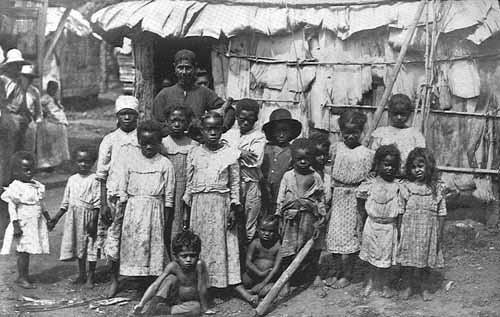
The abolition of slavery in Puerto Rico took place on March 22, 1873, when the Spanish National Assembly passed the Moret Law (and the subsequent decree abolishing slavery on the island).
Leaders of the Puerto Rican abolitionist movement, including José Julián Acosta, Francisco Mariano Quiñones, Julio L. de Vizcarrondo, Ramón Emeterio Betances and Segundo Ruiz Belvis, waged a long struggle to end slavery on the island. On March 22, 1873, the Spanish National Assembly finally abolished slavery in Puerto Rico. The owners were compensated with 35 million pesetas per slave, and slaves were required to continue working for three more years.
Historical Context and Timeline
- Spanish Context: Puerto Rico was a colony of the Spanish Empire, meaning any major legal changes regarding slavery had to be approved in Madrid.
- The Moret Law (1870): Passed initially by reformist politician Segismundo Moret, this preparatory law declared that slaves born after September 17, 1868, as well as those over the age of 60, were immediately free. However, it did not grant immediate total abolition for the remaining enslaved population.
- The Final Decree (March 1873): Intense lobbying by Puerto Rican abolitionists—most notably Ramón Emeterio Betances and Julio Vizcarrondo—alongside mounting political pressure in Spain, finally led to full emancipation. On March 22, 1873, the Spanish Cortes unanimously approved the total abolition of slavery in Puerto Rico.
Key Details of the Emancipation
- Immediate Freedom: The decree freed approximately 30,000 enslaved people on the island (representing roughly 5% of the total population at the time).
- The “Patronato” Period: Unlike immediate and unconditional freedom in some contexts, the 1873 law included a transitional system of apprenticeship or forced labor (patronato). Freed individuals were required to contract their labor to their former masters, the state, or other employers for three years before gaining full civil independence, though this system was also heavily contested and monitored.
- Indemnity to Owners: The law compensated slave owners for their “lost property,” with the government issuing bonds to pay them off.
Significance
- March 22 is commemorated annually in Puerto Rico as Abolition Day (Día de la Abolición de la Esclavitud), an official public holiday on the island.
- Puerto Rico’s abolition preceded the complete abolition of slavery in neighboring Cuba by over a decade (Cuba abolished slavery progressively, ending fully in 1886).